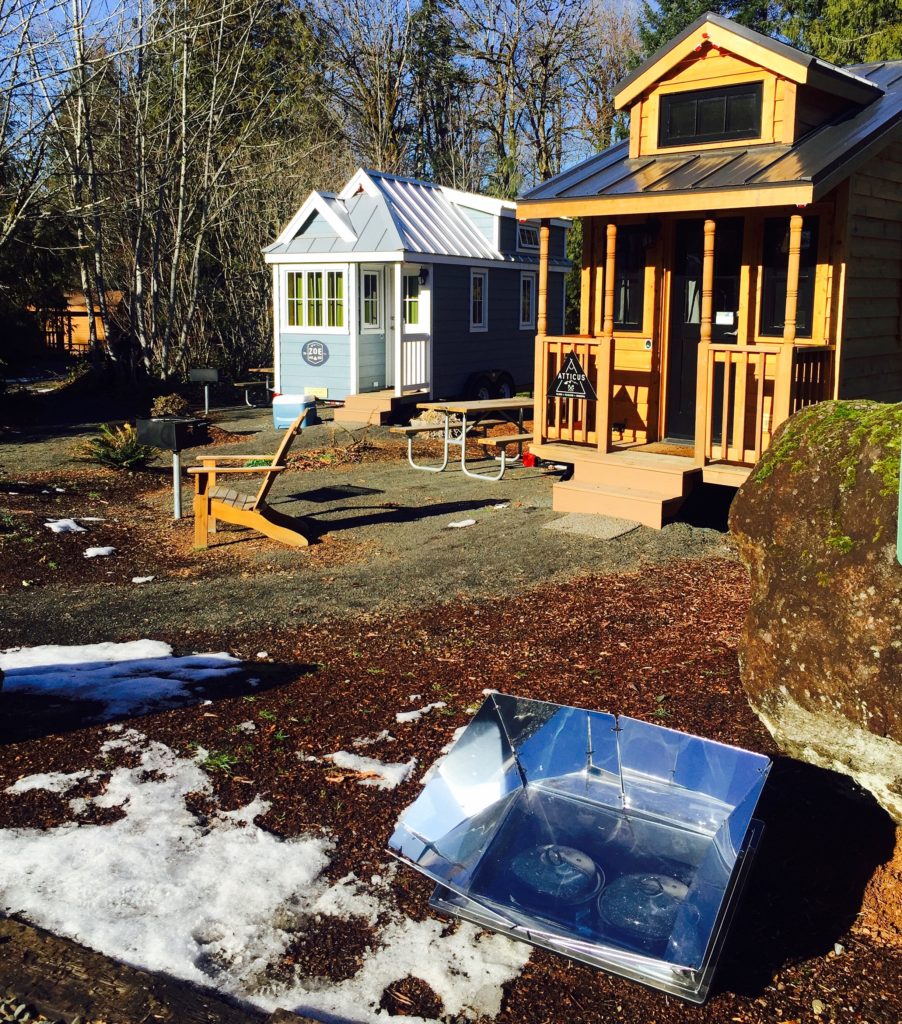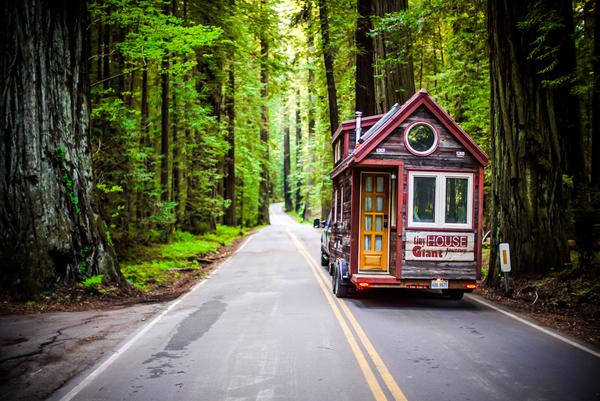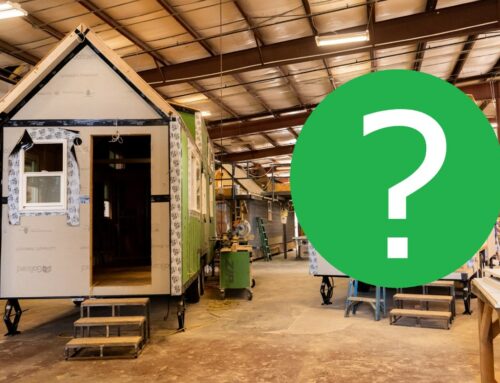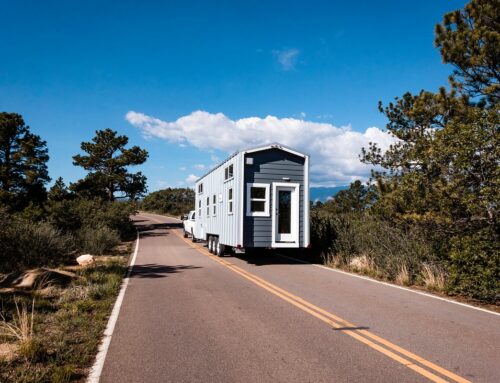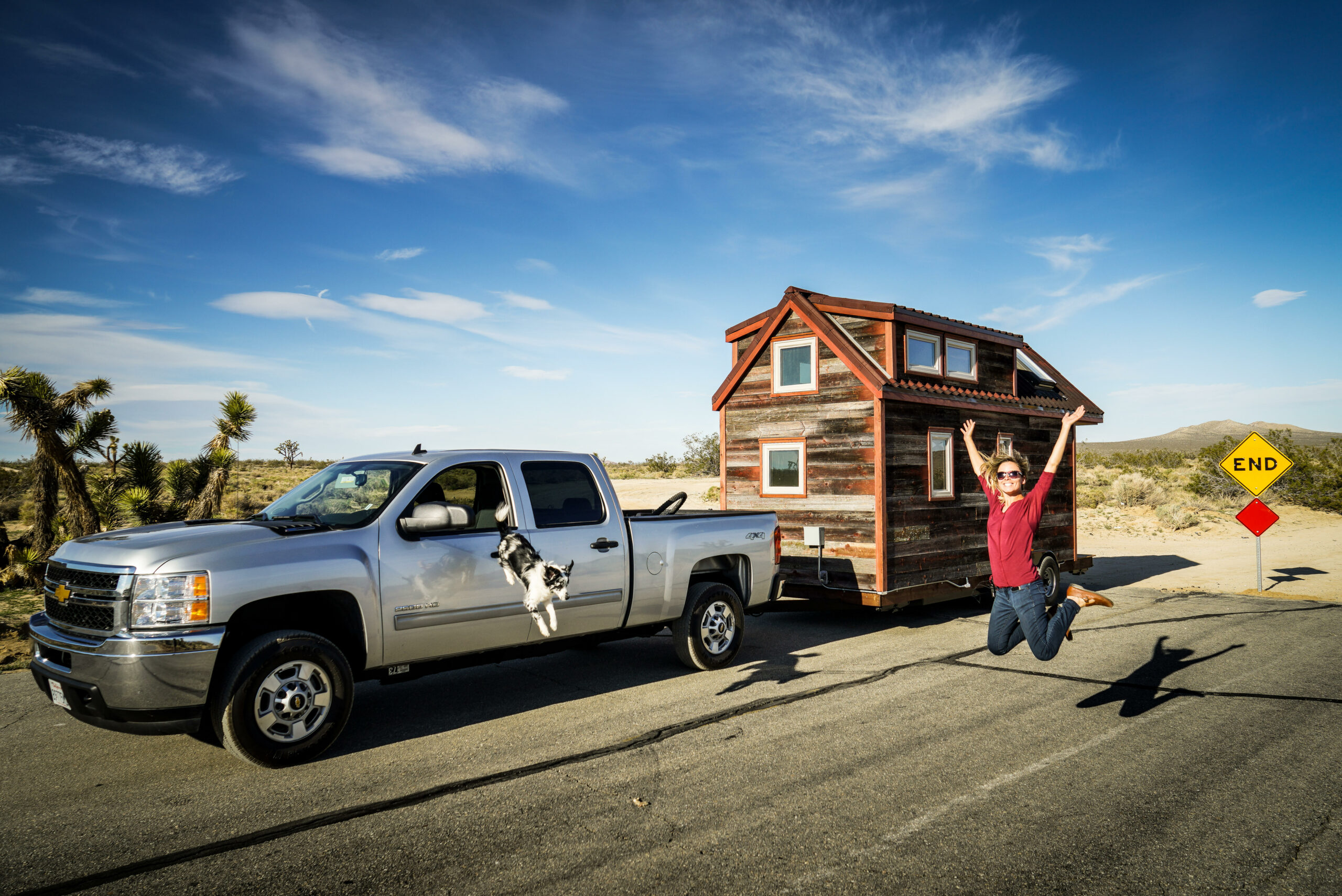
http://www.tumbleweedhouses.comWith wheels, traditional proportioning and archetypal form, these little structures are designed to be portable and can, essentially, be sited anywhere you can park a travel trailer.* They range from about 50 to 130 sq ft. Purchase yours ready-made or buy the plans to build it yourself. These homes are stationary designs built as a main house or guest house. Most of the plans have an optional extra bedroom in back. The house sizes range from 261 sq ft up to 874 sq ft. We do not build the Cottages. They are designed to be built on site with a local contractor of your choosing.Tumbleweed Tiny Houses CompanySteve Weissmannsteve@tumbleweedhouses.com
15 West MacArthur St95476SonomaCaliforniaUnited States
This spring, Hampshire College Professor Gabriel Arboleda
will be teaching an unusual class: Reinventing the Toilet. Addressing the fact
that a single flush toilet can contaminate thousands of gallons in just one
year of operation, he and his students will attempt to build alternative
workable toilet models.
An important class? I think so. Many Tiny House folks would
agree, having found that the mobile lifestyle necessitates flexibility when it
comes to things like electricity and plumbing. Of course, there's an easy
solution already at play, and it's something we don't think twice about doing
with cows: composting.
I recently tried my first official composting toilet, and loved it. Our friends Pepper and Dylan from Bungalow to Go built this awesome composting outhouse on their property in Healdsburg, and were kind enough to let me, ahem, try it out.
Who knew an outhouse could be so beautiful?
In addition to the requisite crescent cut out, the outhouse has a light, a nice big bucket of a cedar chips, and a magazine rack!
A pleasure to use
Plenty of open-minded people like Pepper and Dylan are pushing the envelope with practical, conscientious ways to dispose of waste: while we wait for Arboleda and his crew to envision the next big alternative, we can manage pretty comfortably. While making a separate outhouse is a viable option, the bucket and cedar chips method can easily be applied in any tiny house.
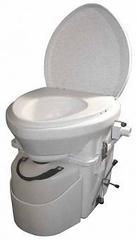
In addition to the composting toilet, there's
the incinerating toilet. Incinerating toilets are a bit more high-tech than a
bucket and some cedar chips (though there are plenty of more advanced
composting toilets available). Essentially, they incinerate your waste,
converting it to a clean, non-polluting ash. An incinerating toilet can be
powered a regular outlet, by gas, propane, or of course, solar panels. However,
it uses more electricity than a composting toilet, and doesn't
provide rich and useful fertilizer!
No matter your preferred commode, there's a reason colleges
like Hampshire are highlighting the urgency of reinventing something most of us
take for granted. We are far too distanced the effects from our own, for lack
of a better word, crap. With the help of sophisticated indoor plumbing, most
people never had to accept that what comes out of their body actually goes somewhere.
We want to live responsibly but we also want to live in a sanitary and safe. When choosing how to outfit our houses, we can think outside
the porcelain box and attempt to do both.
I once met a vegan who ate plants because they were closer
to the sun. His reasoning: if plants get power from the sun, animals eat
plants, and we eat animals or their byproducts, we get shortchanged in the sun
department. By simply eating plants, therefore, he figured would close the gap and be fortified
with much more solar energy.
Luckily, the universe has finally come to its senses and
allowed cheese-lovers like myself an opportunity to harness the power of the
sun in a less calcium-deprived way: solar panels.
Soaking up the sun
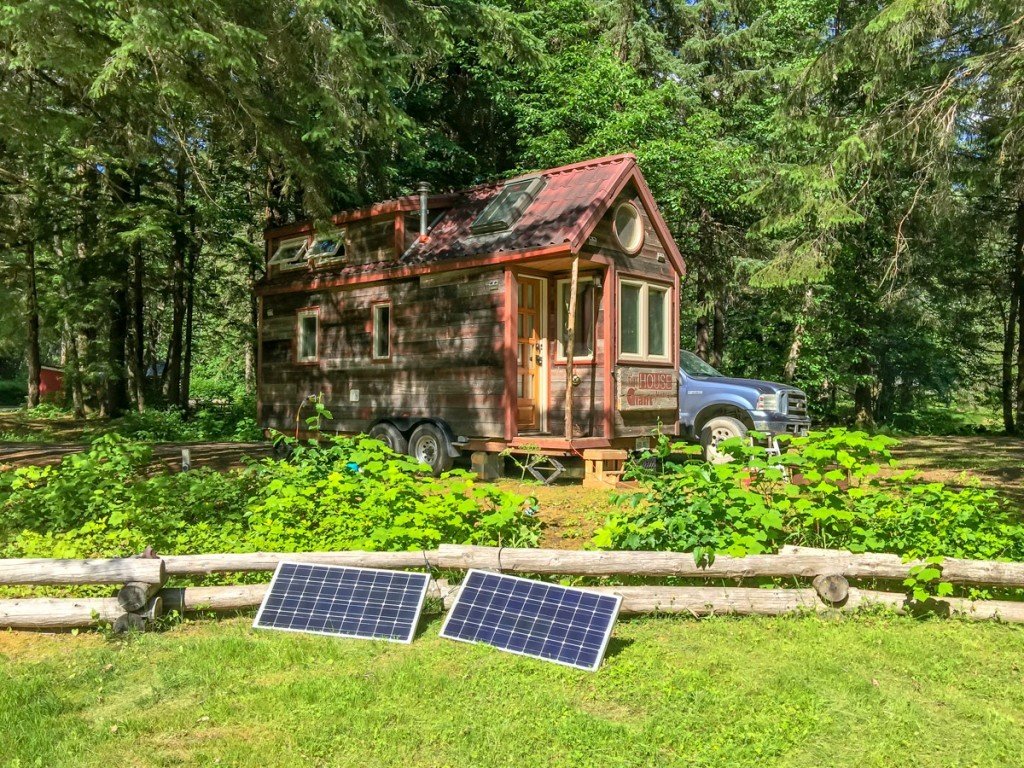
It's hard to think of a better way to power a tiny house. After
all, you can get sunshine pretty much anywhere you bring your home. Install a
panel or two on the top of your house and boom! Good to go! Or, you can try my personal favorite and use a plug
and play system. This way, you can place your panels wherever you'd like.
Given the small scale of a Tumbleweed, a little
energy goes a long way. On a sunny day you've got yourself a pretty bright
little space already, and you'll probably want to spend your hours basking
outside on whatever gorgeous piece of land you're currently calling home. Then,
when the sun moves on to power another hemisphere, you tap into your stored
supply of solar juice, turn on a couple light bulbs, plug in your two or three
necessary electronics, and live it up.
That said: yes, the sun is great, and with some smart
investments, we should be able to do all we want electricity wise. But the
first way to save money and help our earth is to scale down our usage in general. Just because the sun shines fairly
reliably doesn't mean we should go crazy with it- after all, our usage of
electricity goes beyond what's powering our devices. We have to think about who is making
them and how, what they're contributing to on a larger scale, and if we
actually need all of them on a regular basis.
Start by figuring out what uses the most power, then figure out if there's another way you can swing it. For instance, an electric water heater will use a good amount of electricity. Instead, why not try a simple passive solar water heating system?
You can read about how Laura decided which appliances made the most sense here.
In a tiny house, you'll probably find it easy to realize exactly how
little you need- the rest will seem like clutter in no time. So live simply
with solar power, and live simply with your solar-powered devices. But more
importantly, get out and run around in that sun!
Have a good story about your solar powered tiny house?
Submit it!
Recently, we posted
an article about J.T.'s modified Walden. It started a great conversation- blog readers responded with over 160 comments! J.T. has done his best to answer some of
the questions you asked.
Waste water:
Alexis asked: When the septic tank gets full, is there
somewhere to empty it or does it go to one of those sewage processing plants?
J.T. says: Black water is
collected in an 18 gallon waste water tank by Thetford. They make a lot of RV
supplies. The tank is on wheels and sits directly below the toilet under the
trailer. This can be dumped at any RV park that offers a sewer dump station. For the grey water I use a separate waste-line which collects and drains daily onto topsoil/mulch pit and vegetation.
Rain Water:
Peatstack asked: Can
the house harvest rainwater, does it have a tank/filter, does it generate
electricity or use a battery system with solar/ propane generator? Can it
accomodate a composting toilet that the house needs no septic system? I would
like a house that can sit on open agricultural land without any systems
connections, the occasional propane tank and grey water drain accepted.
J.T. says: The roof's surface area is
quite small, but you could divert rainwater into a collection tank for
irrigation: a standard rain barrel would be overkill, but a 10 gallon tank
would work. I have a 25 gallon drinking water tank onboard with a water pump. I
can also hook up to a 3/4 inch garden hose. Make sure you put an RV/Marine
drinking water hose or your water supply will have an off plastic odor. Water
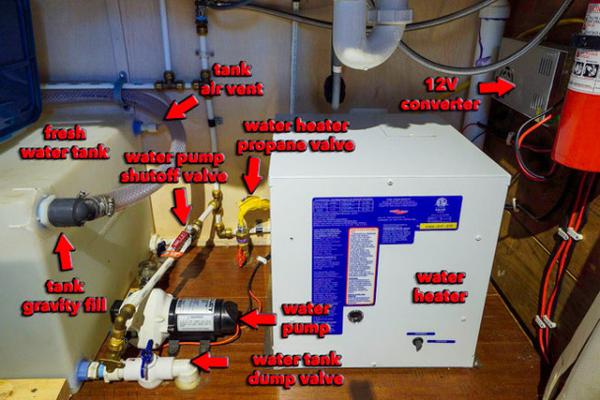
heater and pump are powered by 12v batter. 120v comes from a 20 amp extension
cord into a 30 amp circuit breaker box using around .5 to 1kw per day.
Solar Power:
Annette asked: This looks like it would be the PERFECT portable office for
our mounted drill team. I do have a question regarding using solar power as an
energy source. Has anyone installed a solar set up and if so, what did they use
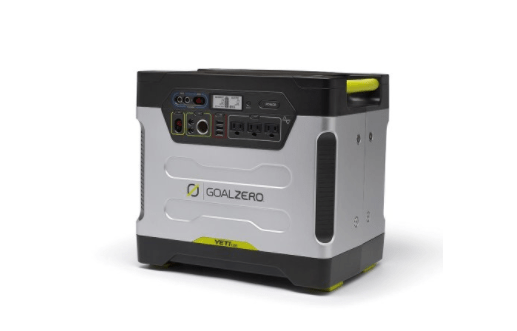
and how is it working to help out with their energy usage? J.T. says: A Solman Action Packer System could run this house
easily. A plug and play system is the solution for a tiny house- something for
sure in the near future. I am considering A. 2 fixed panels on the roof of the tiny house. Orientation
to the sun could be limited when a new location is found. The Solman Action Packer could easily fit in the loft area above the front door or B. 2 fixed panels on the top of my truck with the Solman
system in the back of my truck. It could be parked daily in different spots to
optimize sunlight, then plugged into my house daily to charge on board batteries.
Stove and Oven:
Erica Gott asked: In mine, I want a full stove, with range
AND oven, even if it's small. I love cooking and need one. I can't wait to have
my own tiny home.
J.T. says: I have a 2 burner propane stove by Suburban. No oven, though a typical RV
oven would fit in nicely. I use a 20 gallon propane tank under the trailer,
which runs about $6 a month.
Refrigerator:
Libertymen asked: Is the refrigerator too small?
J.T. says: I have a 3.1 cubic foot fridge under standard
counter height. A 9.9 cubic foot fridge takes up the same foot print and stands
around 50 inches high. You would lose useable counter space, but gain storage
space
Packing Up:
Bethanyasked: How does
he keep things from falling off the shelves when he is moving? As well as the
furniture sliding around?
J.T. says: It takes about 10 minutes to pack everything up, and
it all goes in a box!
Front Addition:
Jan Dregalla asked: Love the customization, especially the up-lighting towel window shades, kitchen shelving and Ikea shelving. I'm
curious, does the 2' addition on the front affect towing?
J.T. says: The extra 2 ft and added weight is on the rear, actually
distributing the weight more evenly. The standard design has a lot of the weight
on the towing hitch