EMF Sensitivity: Michelle’s Path to Recovery in a Tiny Home
Michelle is the kind of person you can’t help but admire. She’s strong, determined, and deeply connected to the world around her—perhaps more than most [...]


 Certified Green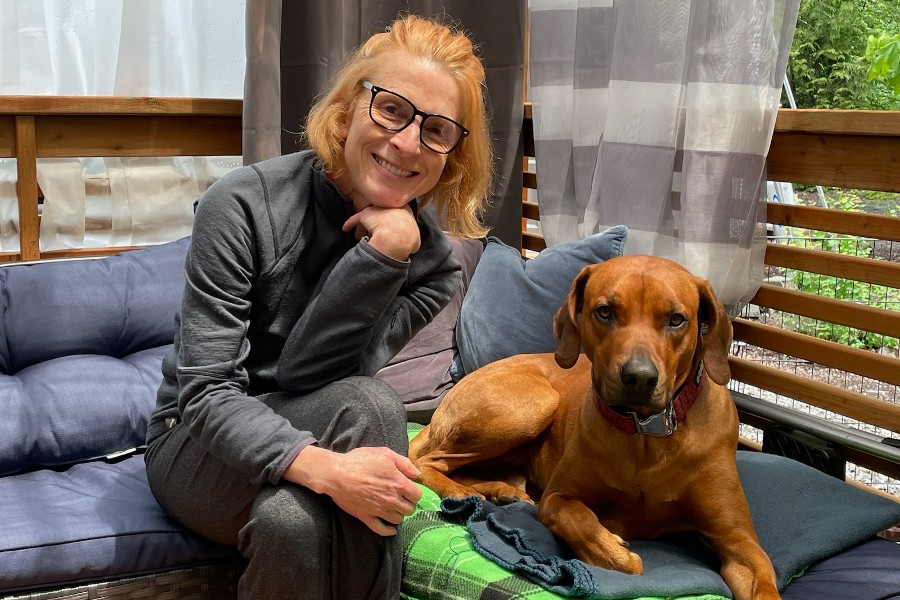
Michelle is the kind of person you can’t help but admire. She’s strong, determined, and deeply connected to the world around her—perhaps more than most [...]

At Tumbleweed Tiny House Company, we're passionate about creating homes that are not only beautiful but also healthy and sustainable. One common misconception is that [...]

Understanding EMF Sensitivity and EMF Protection Electromagnetic Field (EMF) sensitivity, also known as Electromagnetic Hypersensitivity (EHS), affects individuals who experience symptoms when exposed to EMF [...]
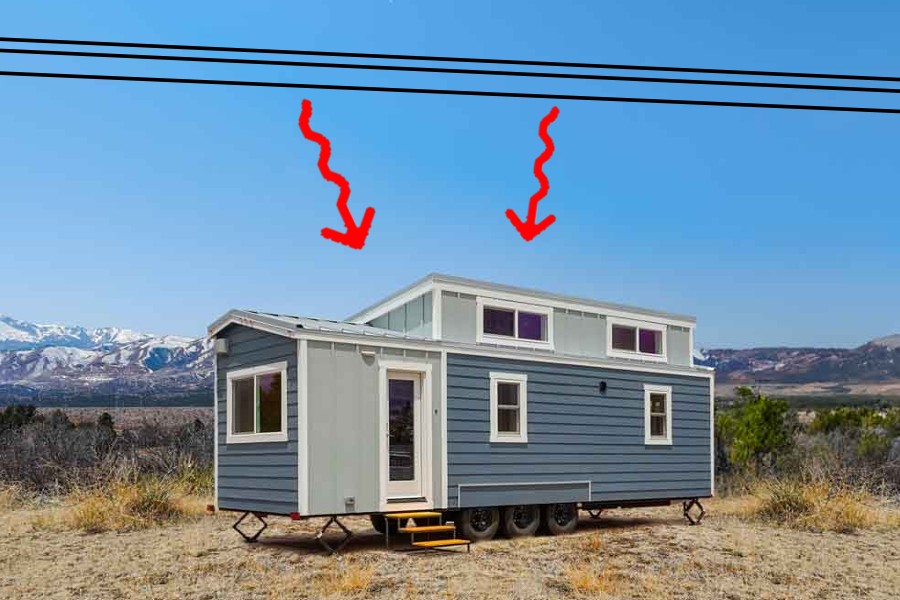
At Tumbleweed, we are committed to building healthy homes that prioritize your well-being. One of the unique options we offer is the construction of tiny [...]

When we think of tiny homes, we picture cozy, efficient spaces that reflect our unique style and make us feel truly at home. The Aspen [...]
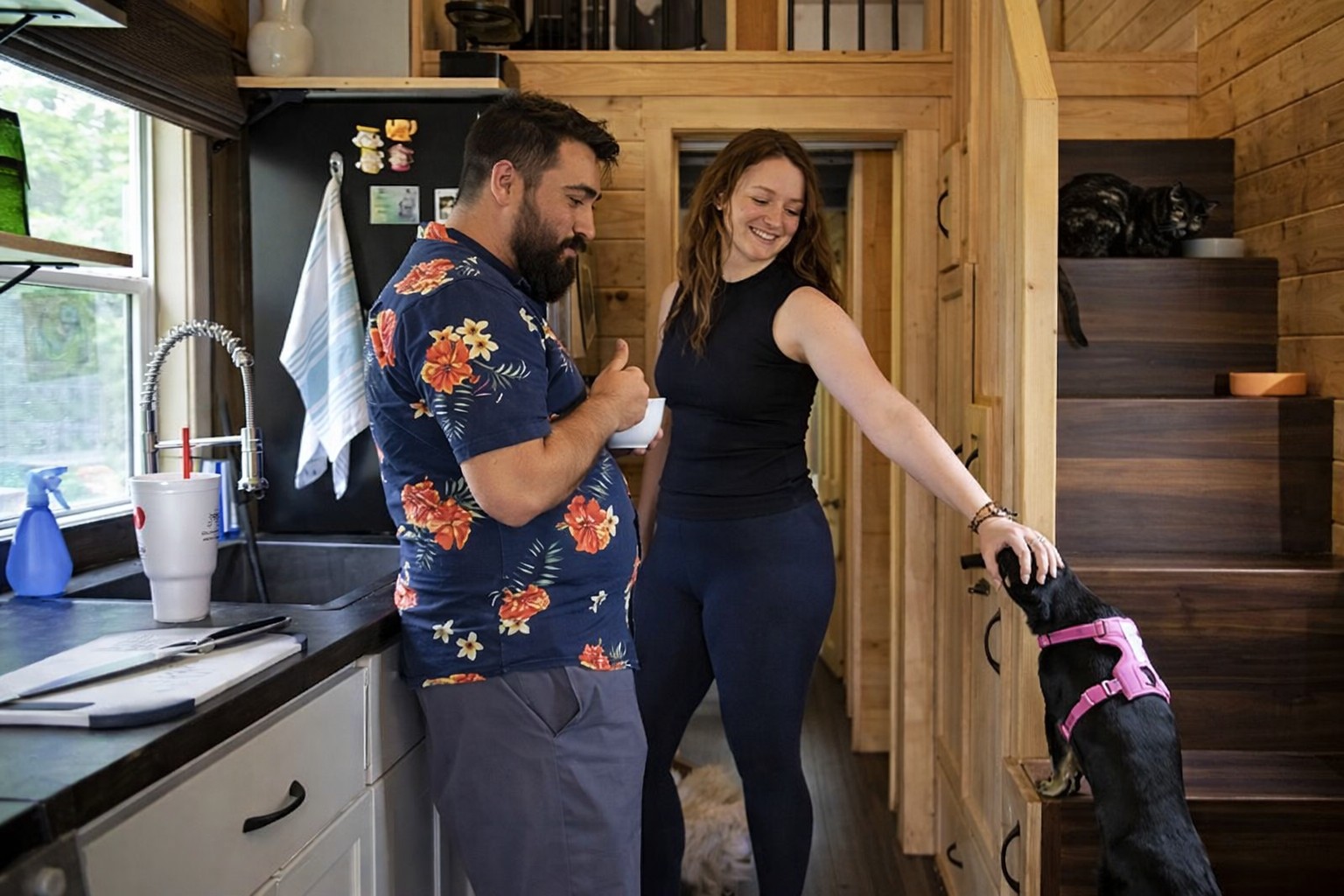
A Cozy, Compact Adventure: The Tiny House Journey of Meredith, Cody, Toasty, Wiggly Bean, and Snickers In the world of tiny houses, the story of [...]

Nestled in the picturesque town of Bayfield, Colorado is the Marlin Tiny Home Village. Like so many tiny home communities popping up around the [...]

Denetra shifts quickly between effusing gratitude and being overtly blunt. The contrast makes her credible and refreshing, a straightforward tiny homeowner worth listening to. Denetra [...]

Traveling in style with a tiny home RV is a great option for people who need to move frequently or are unsure of how long they [...]

Make you tiny house stand apart with different colors. Home owners have tasked us to color match their Tumbleweed Tiny House RV with the main [...]

We’ve been naming our boats and cars as long as they’ve been around. Naturally, a group as eclectic as tiny house enthusiasts would name their [...]
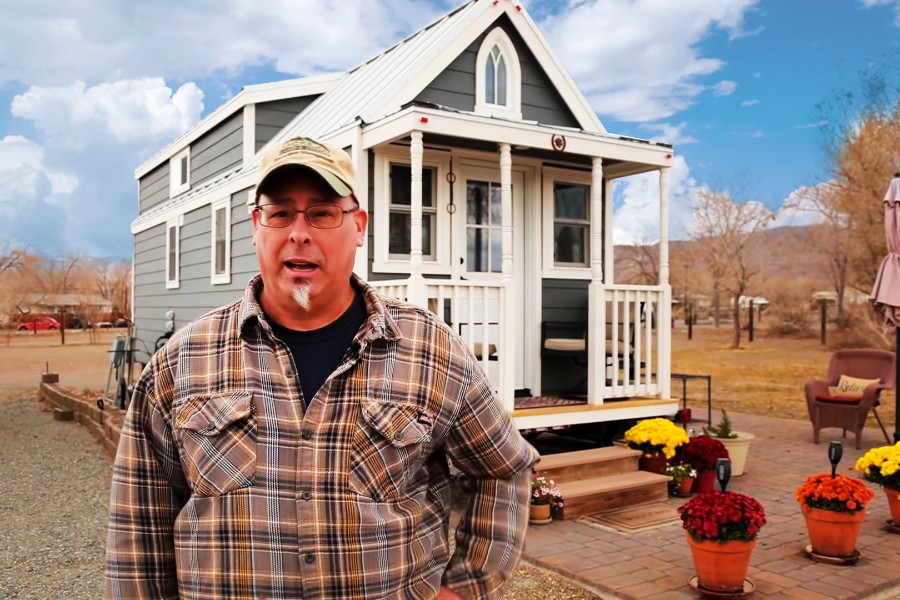
Collapse of the American Dream Allen, a self-described “farm boy” from rural Nebraska, grew up understanding the value of hard work and self-sufficiency. His childhood [...]

Kristin is a Tumbleweed customer and works from her Tiny House RV. With so many people now working from home and considering a tiny house [...]
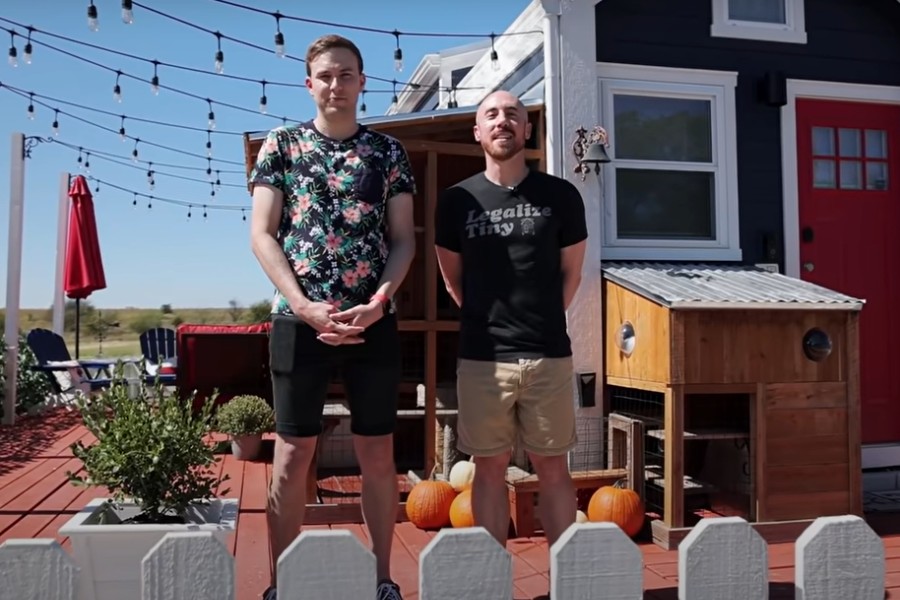
A Picture-Perfect Setting A traditional white picket fence and a sweeping Texas hillside create an idyllic backdrop for Jacob and Michael’s tiny house. Nestled in the [...]

After darting through Thailand's alternative lodging accommodations, Arie and Yuki decided to bring a similar experience to their backyard. With glamping in mind, they bought a Tiny House, a yurt, a studio shed and a hot tub. ...

Stolen tiny houses?! Unfortunately, this has happened several times. Good news. You can easily avoid this awful situation with the right preparation and tools. The [...]

Decorating a tiny house RV is different from a regular house. With limited space, comes unique challenges. You need to be more mindful about what [...]

Do you imagine off-grid freedom? So many enthusiasts envision a quaint tiny house RV in a beautiful landscape with solar panels, rain catchment, and all [...]

Ready for a change of scenery? Time to hitch up your tiny house RV, and hit the road! Sounds exciting; right? In fact, mobility is one of the most alluring aspects of lifestyle. Relocate with relative ease whenever, the mood strikes or big life changes.
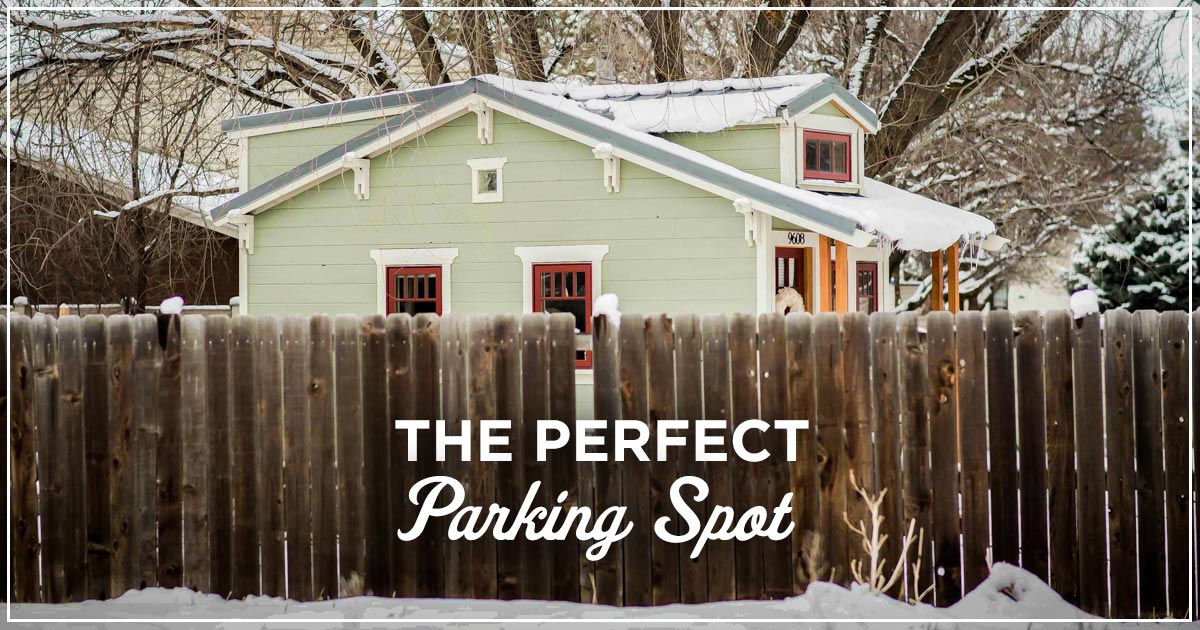
Over the last several years, my boyfriend and I have parked our tiny house in a wide variety of locations. By far our most frequent parking locale has been backyards. Always so convenient—less expensive than RV parks...
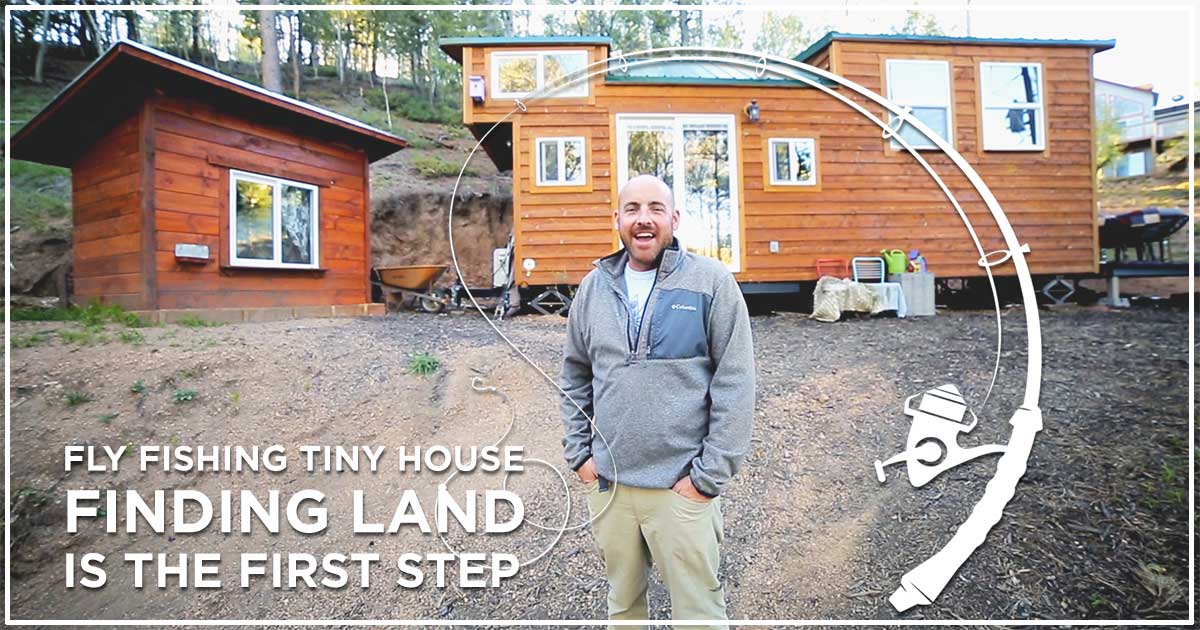
Recently, we met up with Alan, a DIY tiny house RV owner. He parked on a beautiful wooded piece of land, located in a rural neighborhood outside of a Colorado mountain town.

In the tiny house world, toilets are actually considered a luxury item for many interested in saving space and saving money. When catching up with tiny house builders across the country, they all agree on one thing when comparing commodes; they talk about toilets a lot!
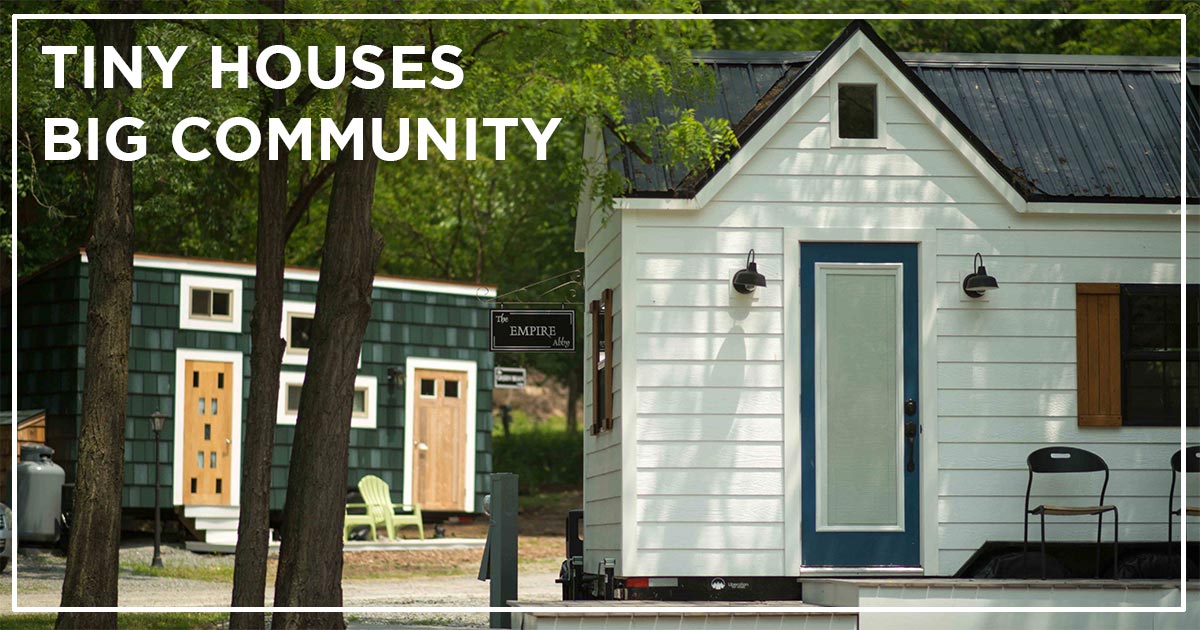
With more and more people going tiny, the need for parking is at an all-time high. The desire for tiny house community parking is on the rise too. Across the nation, more than a dozen cities have become officially tiny-friendly, and communities of tiny houses are cropping up, of varying legal status.
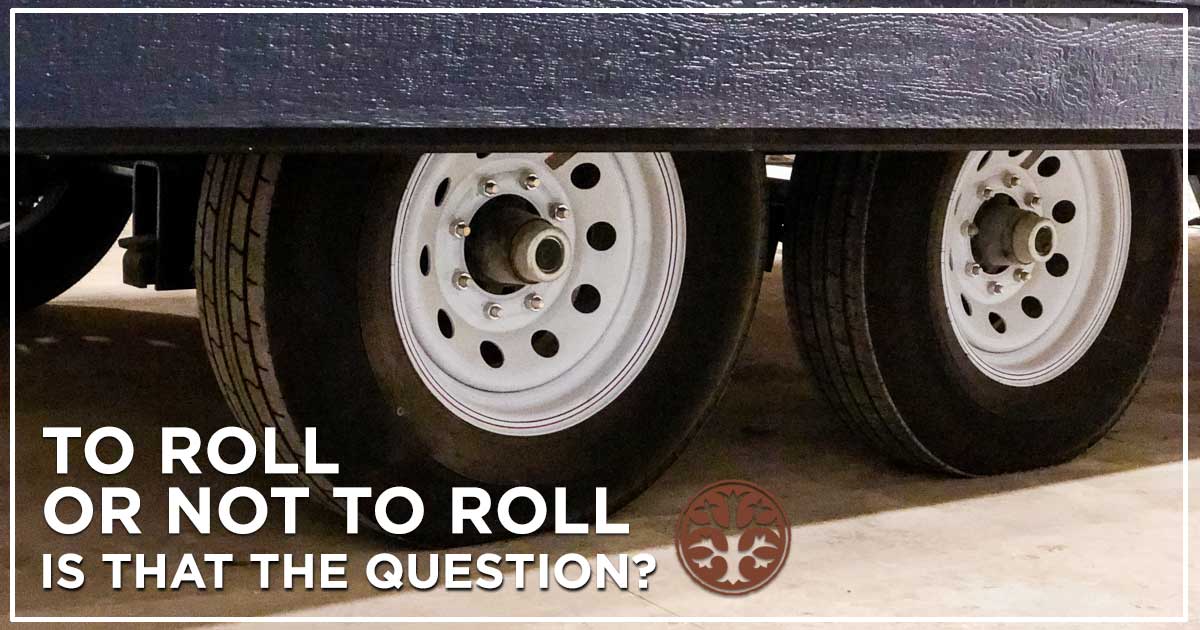
With the housing market crash came the solution of tiny homes. Two options available are a tiny house on wheels or foundation. If you are thinking of downsizing and going tiny, what might be the best route for you?
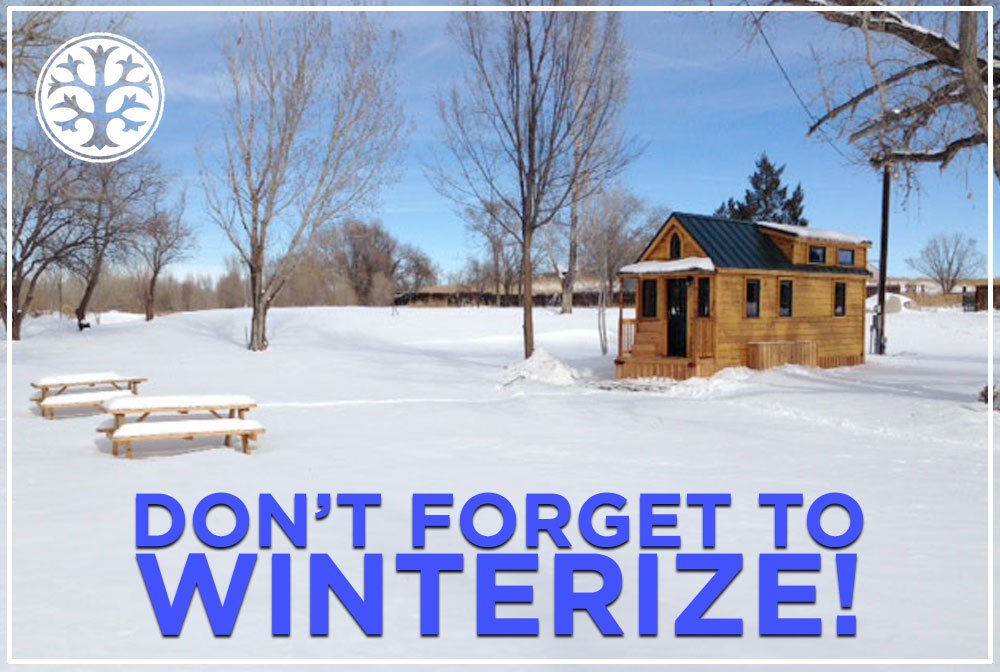
Preparing your tiny house RV for cold climates can take less time and become a routine you practice as the changing season approaches. When winter [...]
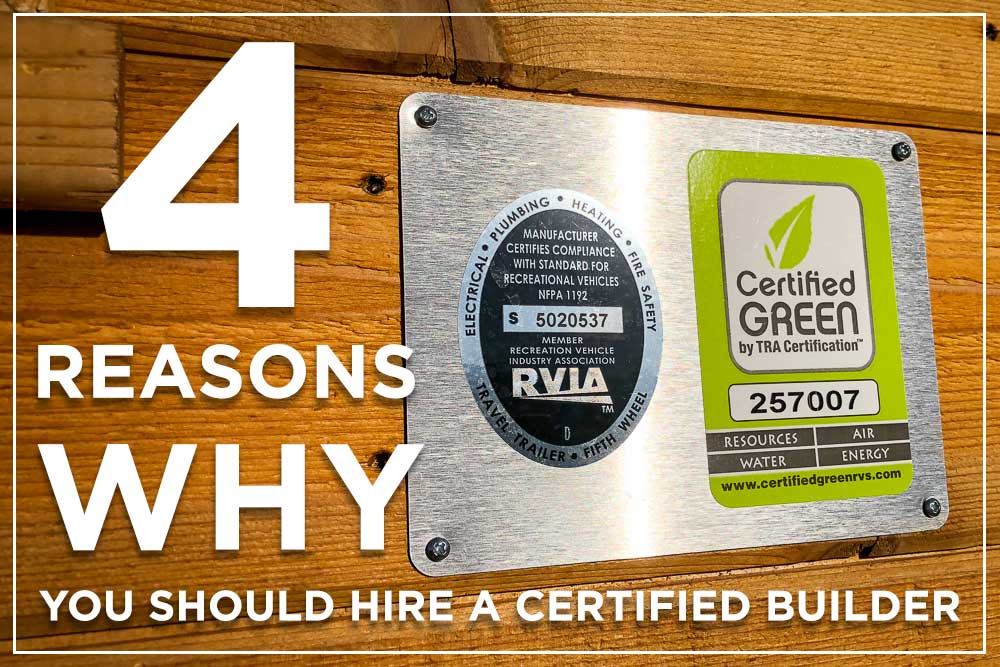
There are ways to save money where it makes sense, complete a well designed build, and end up with a safe and responsibly built house that will last for years by consulting a professionally certified tiny house builder, such as Tumbleweed Tiny House Company.
“The best to you and the whole tiny house team who worked so diligently to make my dream come true.” - Joanie

It's that time of year again to be out bustling around in the stores to find the perfect gift for that tiny house enthusiast on [...]

We've seen Tiny House Hotel and Villages opening all over the country, but rarely do we see multiple tinies parked together in New England. The Tuxbury Tiny [...]

This week we're spotlighting "Lincoln," the most popular Tiny House RV available for rent at the Mt. Hood Tiny House Village. Lincoln is a 24-foot Tumbleweed [...]
